The article in brief
Becoming a urologist requires a demanding career path combining advanced medical training and specific skills. Here are the key points to remember:
- Long training bac + 6 years of medical studies, followed by 5 years of internship in urology
- Obtaining the Diploma of Specialised Studies (DES) in Urology and a licence to practice
- Mastery of complex surgical techniques and in-depth knowledge of anatomy
- Essential human qualities: empathy, communication and team spirit
- Continuing education essential for staying at the cutting edge of medical advances
Becoming a urologist is a demanding career that requires solid medical training and specific skills. As a specialist in urology for many years, I can tell you that this discipline is as exciting as it is complex. In this text, I'm going to guide you through the qualifications required to become a urologistby sharing with you my experience and the knowledge I have acquired over the course of my career.
The crucial stages in the urology medical pathway
The path to becoming a urologist is a long and rigorous one. It starts with a medical degree, which requires a baccalauréat followed by six years of intense medical study. I still remember those long nights spent studying anatomy and physiology, essential foundations for our speciality.
Once this first step has been taken, the next crucial step is to pass the internship examination. This is when you choose your speciality, and for us, future urologists, it's an opportunity to put our passion for the fascinating discipline of urology into practice.
The urology internship lasts five years and forms the core of our training. During this period, we do placements in different departments, which gives us invaluable practical experience. It was during these placements that I really understood the complexity and diversity of the cases we would be called upon to treat.
The culmination of this career is the Diplôme d'Études Spécialisées (DES) in urology. This diploma attests to our expertise and opens the doors to professional practice. However, we mustn't forget that a valid licence to practise, issued by the Ordre des Médecins, is essential if we are to practise legally.
Technical and surgical skills
Urology is a speciality that requires excellent manual skills and dexterity. As urologists, we have to master complex and precise surgical techniques. I've spent years perfecting these gestures, and I can assure you that it takes constant training.
Our knowledge of the anatomy, physiology and pathology of the urinary and male genital systems must be beyond reproach. This knowledge forms the basis of our day-to-day practice, enabling us to make accurate diagnoses and devise appropriate treatment plans.
Decision-making skills and resistance to stress
In our profession, the ability to make quick and effective decisions under pressure is paramount. I remember many situations where I had to act quickly to save a patient's life. This skill is acquired with experience, but it's essential from the start of your career.
What's more, you need to be in good physical condition to cope with long hours of surgery. It's not unusual for us to spend several hours on our feet in the operating theatre, concentrating on extremely precise movements.
The human qualities essential to the practice of urology
As well as technical skills, a urologist must have essential human qualities. The relationship with patients is at the heart of our practice, and requires solid communication skills.
Empathy and compassion for patients
Empathy and compassion are qualities that I consider fundamental to our profession. Our patients are often confronted with delicate, even intimate situations, and it's our duty to put them at ease and reassure them. I remember one patient who was particularly anxious before an operation. By taking the time to listen to him and answer all his questions, I was able to allay his fears and establish a relationship of trust that was essential for the rest of his treatment.
Team spirit and interdisciplinary collaboration
Urology is not a solitary profession. A good urologist must have a well-developed team spirit to work effectively with other health professionals. Whether with nurses, anaesthetists or radiologists, our work is part of a multidisciplinary approach that directly benefits our patients.
The following table summarises the main human qualities required of a urologist:
| Quality | Importance | Practical application |
|---|---|---|
| Empathy | Essential | Understanding and sharing patients' emotions |
| Communication | Crucial | Clearly explain diagnoses and treatments |
| Team spirit | Indispensable | Working effectively with the medical team |
| Resilience | Important | Managing stress and difficult situations |
Continuing training and career development
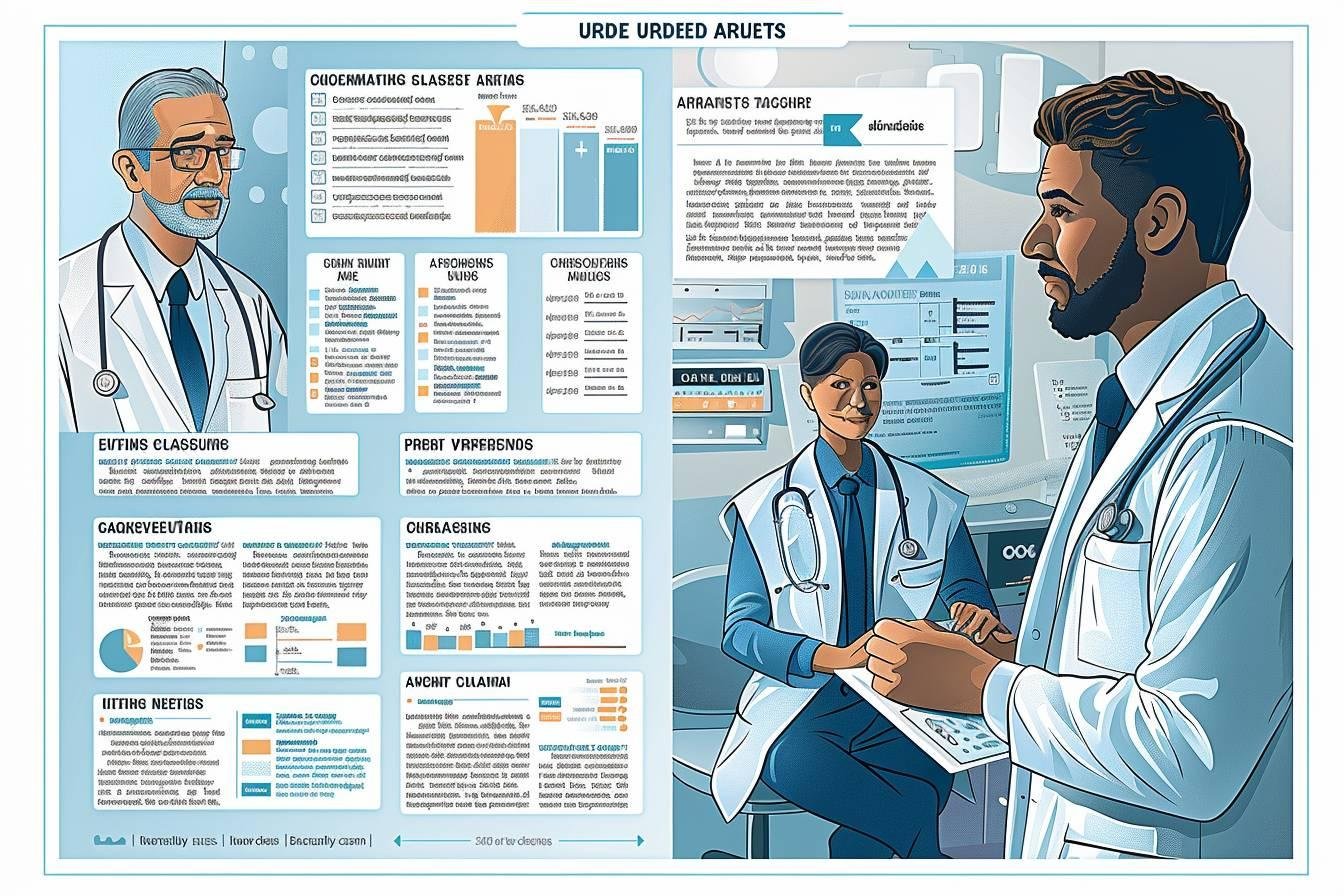
The medical world is constantly evolving, and urology is no exception. To stay at the cutting edge of our field, ongoing training is essential. Personally, I devote a large part of my time to keeping abreast of the latest medical advances and attending international conferences.
Mastering medical English has become essential for keeping up with international scientific publications. It's a skill that I've had to develop over the years, and one that has proved extremely valuable in my day-to-day practice.
As an experienced etanturologist, you may find yourself leading a team or managing a department. Management and administrative skills then become necessary. I've had to learn to juggle my medical and administrative responsibilities, which has been a stimulating challenge in my career.
Development prospects and specialisations
Urology offers many opportunities for specialisation. Some colleagues focus on uro-oncology, others on andrology or paediatric urology. These choices open up exciting prospects and allow you to deepen your knowledge in specific areas.
For those who would like to find out more, please consult our detailed guide on how to become a urologist: detailed career path and training. Here you can find out more about the different stages of training and the career opportunities available to you.
Realities of the profession and advice for future urologists
Becoming a urologist is a demanding but extremely rewarding career choice. On a daily basis, we are faced with a wide variety of cases, ranging from common urinary problems to complex surgical procedures. This diversity makes our profession exciting, but it also requires us to be constantly adaptable.
If you're thinking of going down this road, here's some advice I can give you:
- Cultivate your scientific curiosity and keep abreast of medical innovations.
- Develop your resistance to stress and learn to manage your time effectively.
- Invest in your continuing education and don't hesitate to specialise in a field that you're passionate about.
- Work on your communication skills to establish a relationship of trust with your patients.
- Keep in mind the importance of work-life balance to avoid burnout.
If you would like to find out more about the practical steps involved in entering this profession, I recommend that you read our detailed article on how to become a urologist: detailed career path and training. You'll find valuable information to guide you in your career choice.
To sum up, becoming a urologist is a demanding career that requires perseverance, passion and a constant commitment to medical excellence. Visit qualifications required to become a urologist are many and varied, ranging from technical skills to human qualities. But I can assure you that the satisfaction of being able to help patients and contribute to the advancement of medicine makes this profession one of the most rewarding there is.
Sources :