The article in brief
Urological examinations are essential for diagnosing and treating urinary and genital problems. Here is a summary of the main tests:
- Basic examinations rectal examination, urinalysis and PSA test
- Medical imaging ultrasound, cystoscopy and MRI to visualise organs
- Functional testing urodynamic examination and flowmetry to assess urinary function
- Specialist examinations renal scintigraphy for accurate assessment of renal function
As an experienced esturologist, I'm often faced with patients who are curious about the tests I carry out. It's true that our speciality covers a wide range of tests and analyses, all of which are essential for making accurate diagnoses and proposing appropriate treatments. In this text, I'm going to guide you through the main urological examinations, their objectives and how they are carried out.
Basic urology examinations
When a patient comes to my practice, I always start with the most basic tests. These routine tests are essential to get an overview of the patient's urinary and genital health.
The rectal examination: an essential test
Le rectal examination is one of the most important examinations I carry out, particularly on men. It allows me to assess the size, shape and consistency of the prostate. Although some patients are apprehensive about the test, I'd like to reassure them that it's quick, painless and easy to perform. crucial for early detection of prostate cancer.
Urinalysis: a revealing test
Urinalysis is a simple but highly informative test. It can reveal the presence of infections, kidney stones or even certain cancers. I remember one patient who thought he had a simple urinary infection, but the analysis revealed traces of blood invisible to the naked eye, pointing to a more serious problem.
PSA measurement: an important marker
For men, the PSA (Prostate Specific Antigen) blood test is a key test. It is a prostate-specific marker whose elevation may indicate cancer, but also other prostate disorders. I always stress to my patients the importance of this test, in addition to the digital rectal examination, for effective screening.
Imaging examinations in urology
Medical imaging has revolutionised our urology practice. It allows us to visualise the urinary tract and genital organs with precision, making diagnosis and treatment much easier.
Ultrasound: a versatile examination
Ultrasound is one of the examinations I carry out most frequently. It shows the kidneys, bladder, prostate and testicles. It's a painless and safe examination, which provides valuable information about the structure of these organs. For example, during a kidney ultrasound, I can detect the presence of cysts or stones.
Cystoscopy: a look inside
La cystoscopy is an essential examination for urinary problems. This involves inserting a small tube fitted with a camera into the urethra to examine the bladder. Although this examination may seem intimidating, I always take the time to explain the procedure to my patients to reassure them. Cystoscopy can detect abnormalities such as tumours, stones or inflammation of the bladder.
MRI: a detailed view
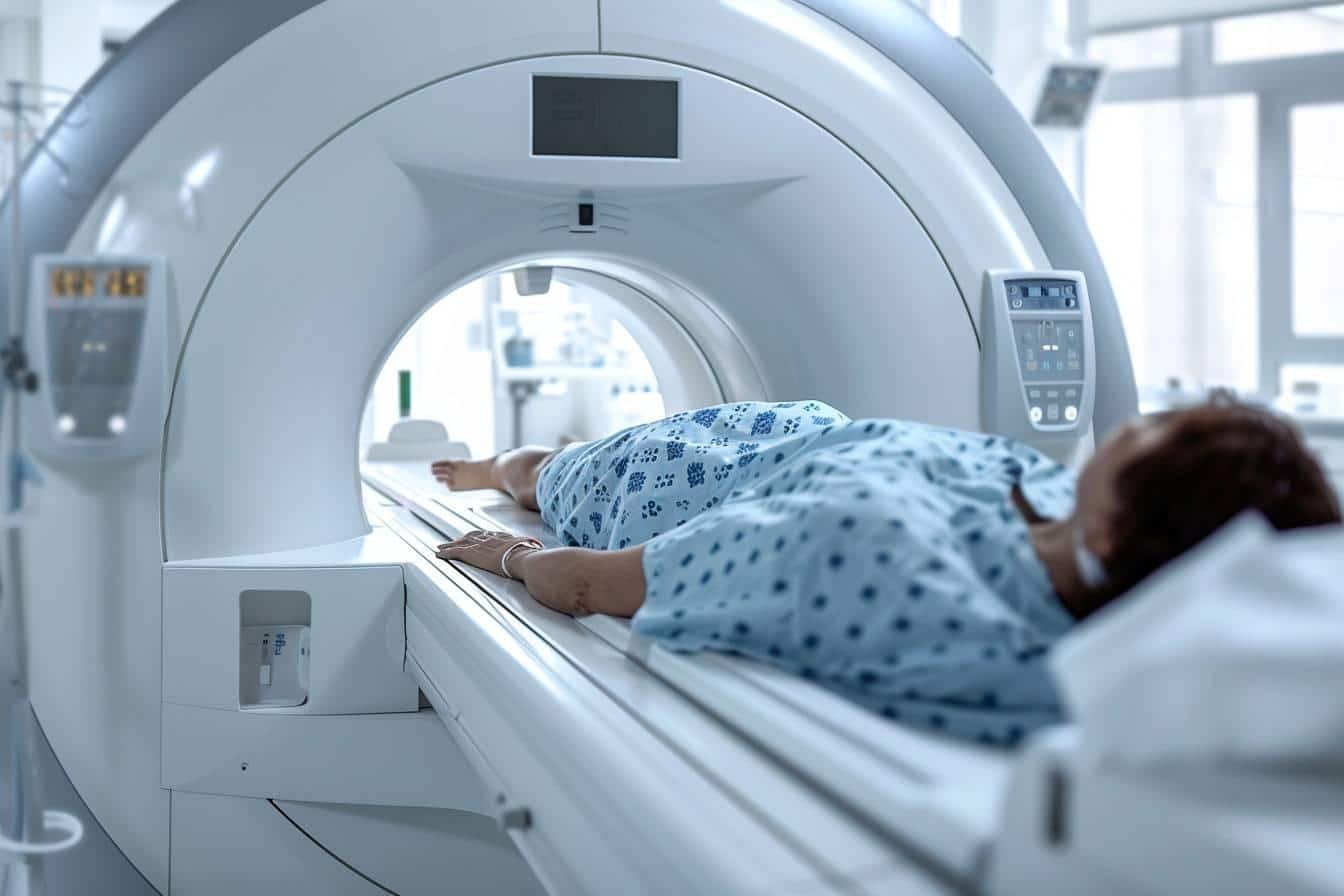
Magnetic Resonance Imaging (MRI) is particularly useful for examining the prostate and kidneys. It provides a very detailed view of these organs, which is invaluable for diagnosing certain cancers or planning surgery. I remember one case where MRI enabled us to pinpoint the precise location of a small kidney tumour, making it much easier to treat.
Functional examinations in urology
Beyond the anatomical aspect, it is vital to assess how the urinary system functions. This is where functional examinations come in, as they provide a real tool for understanding how our patients' urinary systems function on a day-to-day basis.
Urodynamic examination: understanding urinary mechanics
The urodynamic examination is a test I often recommend to assess bladder and sphincter function. It measures urinary pressures and flows, which is particularly useful for diagnosing problems such as incontinence or difficulty in passing urine. I remember one patient who had been suffering from incontinence for years; this examination enabled us to understand exactly what was causing her problem and to propose a suitable treatment.
Flowmetry: measuring urine flow
Flowmetry is a simple but highly informative test. It involves measuring the patient's urine output. It is often the first test I carry out when a patient complains of difficulty in urinating. It can reveal problems such as obstruction of the urethra or bladder weakness.
Renal scintigraphy: assessing renal function
Renal scintigraphy is a more specialised test that I use to assess how the kidneys are functioning. It involves the injection of a harmless radioactive product that allows us to visualise how the kidneys filter and eliminate waste. It is particularly useful for diagnosing certain kidney diseases or for assessing the effectiveness of a treatment.
| Examination | Main objective | Approximate duration |
|---|---|---|
| Rectal touch | Prostate assessment | 5 minutes |
| Urinalysis | Screening for infections and stones | 10-15 minutes |
| Ultrasound | Organ visualisation | 15-30 minutes |
| Cystoscopy | Examination of the bladder | 15-20 minutes |
| Urodynamic examination | Assessment of bladder function | 30-45 minutes |
Towards personalised care
As an etanturologist, I'm constantly amazed by the progress our speciality is making. The tests we carry out today are increasingly accurate and less invasive, which is a real benefit for our patients. It is vital to understand that each examination has its own purpose and that the choice of tests to be carried out depends on each individual situation.
I always advise my patients not to hesitate to consult a urologist as soon as urinary symptoms appear. Early diagnosis is often the key to more effective, less burdensome treatment. Don't forget that your urinary health is an important aspect of your overall well-being.
Ultimately, these tests, however varied, all have the same objective: to give you the best possible care. Don't hesitate to ask your urologist questions about the tests he or she prescribes. A good understanding of these tests will enable you to take an active role in your health.
Sources :
wiki urology
urology department