The article in brief
A consultation with a urologist can be intimidating, but good preparation ensures that it goes smoothly. Here are the key points to remember:
- Gather your complete medical file and note your symptoms
- Avoid urinating just before the consultation
- Bring your administrative documents (Vitale card, health insurance)
- Stay relaxed and don't hesitate to ask any questions you may have
- Follow the post-consultation instructions carefully for optimum follow-up
A consultation with a urologist can seem daunting, but with the right preparation, it can go smoothly. As a specialist in the urinary tract and male genital tract, I'll guide you through the essential steps for preparing for your visit to the urologist. Follow these tips to make the most of your appointment and facilitate diagnosis.
Why consult a urologist?
Before getting down to preparation, it's important to understand the reasons that may lead you to consult a urologist. In the course of my career, I have found that many patients are reluctant to take the plunge, often out of embarrassment or lack of knowledge.
Main reasons for consultation
Urologists treat a wide range of urinary and genital problems. The most common reasons are
- Urinary problems (difficulty urinating, urinary urgency)
- Pelvic or genital pain
- Erectile or fertility problems
- Prostate cancer screening (for men over 50)
When should you make an appointment?
It is advisable to consult a urologist as soon as persistent or worrying symptoms appear. Don't wait for the situation to get worse. Early consultation often results in more effective and less invasive treatment.
Documents and information to be prepared
The key to a successful consultation lies in careful preparation. As a urologist, I can't stress enough the importance of gathering all the necessary information before your appointment.
Complete medical file
Prepare a folder containing the following documents:
- Prescription from the doctor referring you
- Results of previous examinations (blood tests, ultrasound scans, etc.)
- Reports of previous surgical procedures
- List of your current treatments
Personal information to note
Take the time to think about it and write it down:
- A detailed list of your symptoms, their duration and evolution
- Your personal and family medical history
- The issues and concerns you wish to address
This information will enable us to have an in-depth discussion and better target our investigations.
Practical advice for the big day
Is the day of your consultation approaching? Here are a few recommendations to make sure everything goes as smoothly as possible. I always stress to my patients the importance of these small details, which can make a big difference.
Physical preparation
Avoid urinating just before the consultation. A full bladder may be necessary for some examinations. Wear comfortable clothes that make the physical examination easier. If possible, take a shower in the morning for better hygiene.
Administrative aspects
Don't forget to bring :
- Your Vitale card and your health insurance card
- A means of payment
Arrive on time, or even a little early, so that you can fill in any medical questionnaires with peace of mind.
State of mind
Stay relaxed and open. Don't hesitate to ask any questions you may have, even those you find awkward. Our role is to listen to you and reassure you.
Procedure for a urological consultation
Understanding the consultation process can help reduce anxiety. Let me explain the different stages we generally follow.
Initial maintenance
We'll start by discussing your symptoms and medical history. This is the time to use the notes you have prepared. Don't leave out any details, even those that seem insignificant.
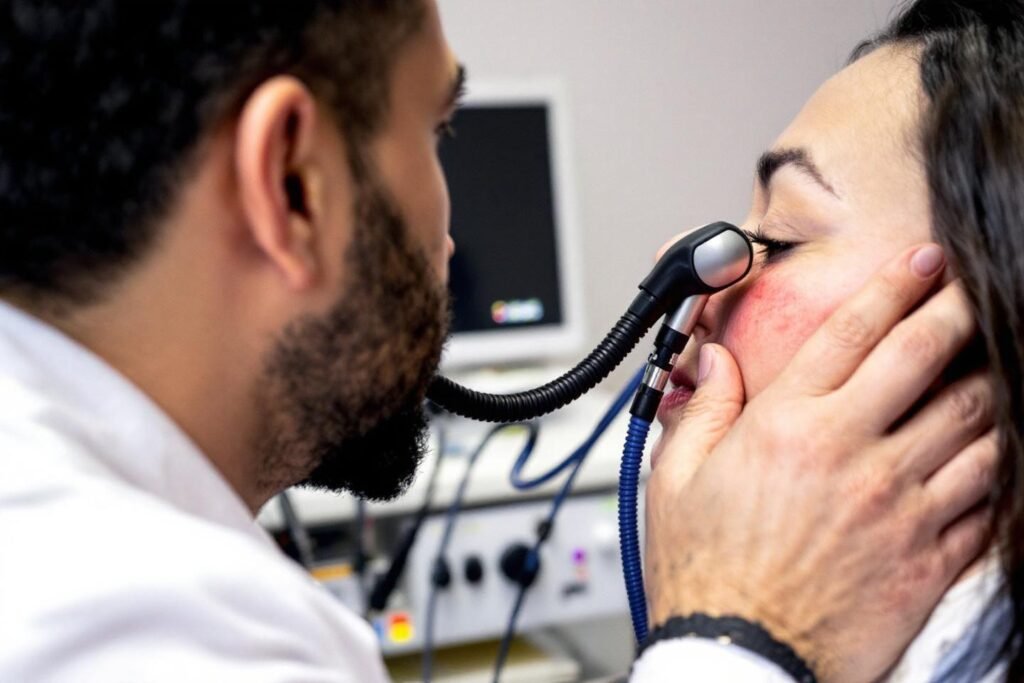
Physical examination
I will then carry out a physical examination, which may include:
- Palpation of the abdomen
- An examination of the genitals
- A rectal examination for men (prostate check-up)
These tests are quick and, although sometimes uncomfortable, they are rarely painful.
Additional examinations
Depending on your symptoms, I may prescribe additional tests such as :
| Examination | Description |
|---|---|
| Ultrasound | Visualisation of the urinary and genital organs |
| Urinalysis | Detection of infections or anomalies |
| Urine flowmetry | Urine flow measurement |
These tests can be carried out immediately or scheduled for a later date.
After the consultation: the next steps
The end of the consultation is just the beginning of your treatment. Here's what you can expect afterwards.
Diagnosis and treatment plan
I'll explain my diagnosis and suggest a suitable treatment plan. Don't hesitate to ask questions to help you understand your options.
Follow-up and reimbursement
We will work out the follow-up arrangements with you. As far as reimbursement is concerned, you should know that the consultation is better reimbursed if you are referred by your GP (coordinated care pathway). The Assurance Maladie generally reimburses 70% in this case, with the remainder covered by your mutual insurance company.
To choose a competent specialist you can trust, I recommend that you consult our guide on how to choose a urology specialist: essential criteria. This will help you make an informed decision about your urological health.
By following these tips, you'll be perfectly prepared for your urology consultation. Don't forget that we're here to help you and that your well-being is our priority. Take care of yourself and don't hesitate to consult us as soon as you need to.
Sources :