The article in brief
Urology, an essential but little-known medical speciality, deals with problems affecting the urinary and male genital systems.
- The urologist is a doubly qualified doctor in medicine and surgery, working on all the organs of the urinary system.
- Contrary to popular belief, this speciality involves men and women of all ages, including children.
- Consultations cover a wide range of problems, including kidney stones, urinary tract infections, prostate problems, and other conditions. male sexual dysfunction.
- Early diagnosis is crucial to improving the chances of recovery from urological pathologies.
In my urology practice, I see patients every day who ask me: "Doctor, what exactly does a urologist treat? It's a question that comes up again and again, and one that I understand perfectly well. Urology is still a medical speciality that is often misunderstood by the general public, even though it deals with very common health problems. After more than 15 years in practice, I've found that a better understanding of the role of a urologist helps patients to consult at the right time and optimise their care.
What is a urologist and what are his specialities?
A urologist is a specialist doctor which treats pathologies of the urinary tract in men and women, as well as the male genital tract. Contrary to popular belief, we don't just deal with the prostate! Our field of action is much wider.
I remember a 45-year-old female patient who came in with kidney stones and was astonished: "I thought urologists only looked after men! This confusion is common, but urology concerns all genders and all ages.
What sets our speciality apart is our dual medical and surgical expertise. We can make diagnoses, prescribe medical treatments and carry out surgical procedures, some of which are highly technical. This versatility is what makes our profession so rewarding.
The urinary tract: our area of expertise
Urologists treat all the organs involved in the formation and evacuation of urine:
- The kidneys, which filter blood and produce urine
- The ureters, which transport urine from the kidneys to the bladder
- The bladder, which temporarily stores urine
- The urethra, which allows urine to pass out of the body
The common urinary pathologies that we treat include kidney stones, recurrent urinary tract infections, incontinence, and tumours of the bladder or kidney. If you experience symptoms such as blood in the urine, burning on urination or severe back pain, why consult a urologist: when and for what reasons becomes obvious.
The male reproductive system: our second speciality
We also treat problems related to the male reproductive system:
The prostate, a gland located below the bladder, is often the focus of our attention. Benign prostatic hypertrophy and prostate cancer are very common, especially as we age. The testicles, penis and vas deferens are also part of our field of action.
Erectile dysfunction, male infertility, phimosis and genital malformations are frequent reasons for consultation. I recently treated a 62-year-old patient who, after hesitating for a long time out of modesty, finally consulted me for erectile dysfunction. Thanks to appropriate treatment, his quality of life has improved considerably.
Paediatric urology: a speciality in its own right
Some urologists specialise in children's urological problems. Enuresis (bed-wetting), congenital malformations or phimosis are common reasons for consultation in paediatric urology.
In my department, we regularly see young patients for circumcisions or operations on undescended testicles. Early management of these problems is essential to avoid complications in adulthood.
How does a consultation with a urologist work?
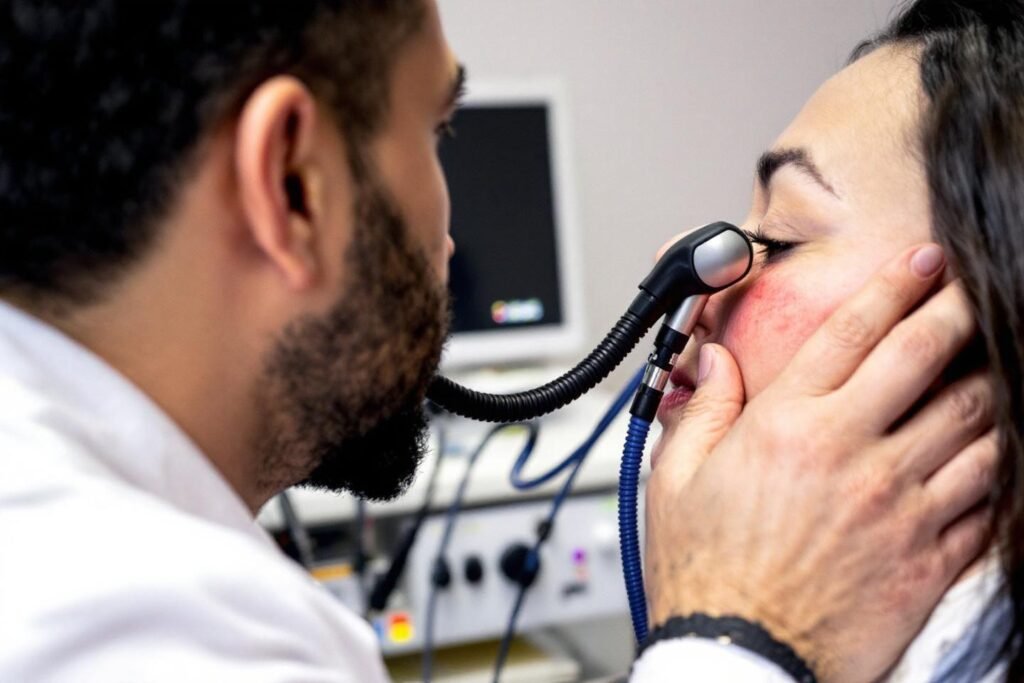
The first urology consultation is often a daunting experience. However, it is generally a simple and respectful process. Here are the usual steps:
| Step | Description | Approximate duration |
|---|---|---|
| Questioning | Questions about your symptoms, history and treatment | 10-15 minutes |
| Clinical examination | Abdominal palpation, examination of external genitalia (male), rectal examination if necessary | 5-10 minutes |
| Additional examinations | Sometimes performed on site (ultrasound, flowmetry) | Variable |
| Conclusion and prescription | Diagnosis, treatment, additional tests if necessary | 5-10 minutes |
For a first visit, plan to bring your previous examinations (urine tests, ultrasounds, scans). If you're wondering What are the most common cases requiring a consultation in urology?If you have any further questions, please do not hesitate to discuss them with your GP.
Tests frequently prescribed by the urologist
Depending on your symptoms, I may prescribe various tests:
Urinalysis (ECBU) is the basic test for detecting infection or blood in the urine. Ultrasound scans of the kidneys, bladder or prostate can be used to visualise the organs and identify any abnormalities. For more in-depth investigations, we can use a CT scan, MRI or cystoscopy (endoscopic examination of the bladder).
The urodynamic test assesses bladder function and helps diagnose mictional disorders. In men over the age of 50, a PSA blood test is useful for prostate monitoring.
Urology treatments
Our therapeutic arsenal is varied:
- Medicinal treatments (antibiotics, alpha-blockers, etc.)
- Minimally invasive procedures (lithotripsy for stones)
- Conventional or robotic surgery
- Re-education (perineal for incontinence)
- Medical devices (probes, prostheses)
The choice of treatment depends on your condition, its severity and your history. For example, for a patient with an enlarged prostate, I can suggest either a course of medication or surgery, depending on the discomfort experienced and the size of the prostate.
Urology in figures: an essential speciality
Urology accounts for a significant proportion of medical activity in France. With over 1,200 urologists practising in France, only 6% of whom are women, our specialty is still predominantly male, although this trend is gradually changing.
Le prostate cancer affects around 1 in 5 men bladder cancer, with over 50,000 new cases diagnosed each year. Bladder cancer ranks 5th among cancers, and in 50% of cases is linked to smoking in men.
A consultation with a urologist costs between €23 and €60, depending on the area of practice and the complexity of the case. The cost is reimbursed up to €70% by the Assurance Maladie as part of the coordinated care pathway, with the remainder generally covered by your supplementary health insurance.
Don't wait for symptoms to worsen before seeking help. In urology as elsewhere, early diagnosis considerably improves the chances of recovery and the quality of treatment.
Sources :
wiki urology
urology department