The article in brief
Erectile dysfunction affects one in three men over the age of 40 and requires appropriate medical treatment.
- La erectile dysfunction is defined as the persistent inability to obtain or maintain a satisfactory erection for more than six months.
- The causes are multiple : vascular (40%), hormonal, neurological, medicinal and psychological, often in combination.
- A consultation is necessary as soon as the problems persist for more than 6 months or have an impact on significantly your intimate life.
- Treatments range from dietary hygiene measures and oral medication to injections and penile implants, with a high success rate.
- These disorders can be a sign of serious cardiovascular problems, which is why it is so important to treat them. early.
As a urologist for more than 15 years, I regularly find that men are slow to seek help for their urinary problems. erectile dysfunction. This reluctance is understandable, but you should be aware that these difficulties affect around one in three men over the age of 40. During a recent consultation, a 58-year-old patient told me that he had waited three years before seeking help, thinking that "it would go away on its own". Don't make this mistake: early treatment considerably improves the chances of therapeutic success.
Erectile dysfunction: what exactly is it?
Erectile dysfunction is medically defined as the inability to obtain or maintain an erection sufficient for satisfactory sexual intercourse. To make this diagnosis, these difficulties must have persisted for more than six months or occur in almost all situations (75-100% of attempts).
It is essential to distinguish between chronic erectile dysfunction simple occasional 'blackouts' linked to fatigue or stress. In France, this condition affects around 3 million men, and its prevalence increases significantly with age, reaching over 50% in men over 70.
Mechanism of normal erection
To understand erectile dysfunction, we first need to understand how it normally works. An erection is the result of a complex process involving :
- Stimulation of sensory perceptions during arousal
- The nervous transmission of cerebral signals
- Blood flow in the cavernous bodies of the penis
- Blocking venous return to maintain rigidity
Multiple origins of dysfunctions
The causes of erectile dysfunction are rarely isolated. In my daily practice, I almost always observe a combination of organic and psychological factors. Vascular causes account for around 40% of cases, followed by hormonal, neurological, medicinal and psychological factors.
Symptoms and warning signs
You may be wondering whether your difficulties warrant a consultation. Look out for these signs: less rigid erections, difficulty maintaining an erection until the end of intercourse, fewer or no morning erections, and a gradual loss of confidence in sexual activity.
I remember one patient who thought he was just suffering from a lack of desire. Examination revealed undiagnosed diabetes damaging his blood vessels. This case illustrates why erectile problems may signal other medical conditions that need to be identified.
When should I consult a urologist for erectile dysfunction?
Wondering when to make an appointment? Don't delay if you notice any of the following situations:
| Situation | Recommended action |
|---|---|
| Disorders persisting beyond 6 months | Consultation required |
| Significant impact on your intimate life and self-esteem | Recommended consultation |
| Presence of other symptoms (urinary, pain) | Urgent consultation |
| Associated cardiovascular risk factors | Priority consultation |
Care pathway: who should you see first?
Your GP is usually the first port of call. He or she will carry out an initial examination and refer you if necessary. As a urologist, I often see patients referred after this initial assessment. The urologist is the referral specialist for erectile dysfunction because we treat the entire urinary and male genital system.
Other specialists may also be involved, depending on your situation: andrologists (urologists with specialised skills), sexologists, psychologists or cardiologists. This multi-disciplinary approach ensures that your care is optimised.
How does a urology consultation work?
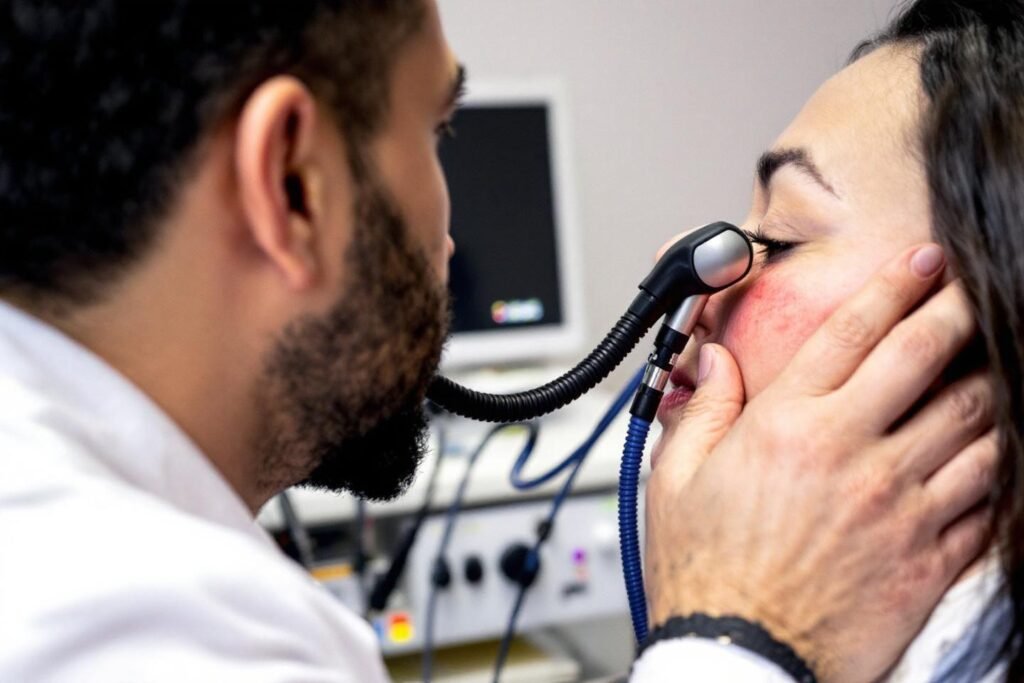
On your first visit, I'll spend some time listening to you. A detailed medical examination will help us to understand the origin of your problems. We'll look at your history, the history of your problems, your sexual habits and risk factors.
The clinical examination includes a general assessment, a genital examination and, for men over 50, a digital rectal examination to assess the prostate. Complementary tests will be prescribed: blood tests (blood sugar, cholesterol, testosterone), and sometimes penile echodoppler to study blood circulation.
Therapeutic solutions for a fulfilling sex life
The good news is that there are now effective solutions for the majority of men suffering from erectile disorders. I always personalise the treatment according to the causes identified and the patient's preferences.
Global approach and first-line treatment
Treatment often begins with dietary hygiene measures: regular physical activity, a balanced diet, stopping smoking, limiting alcohol consumption and stress management. These changes may suffice in mild cases or complement other therapies.
Oral medication is the first line of treatment. Inhibitors of phosphodiesterase type 5 (IPDE5) such as sildenafil or tadalafil are effective in around 70% of patients. These treatments require sexual stimulation to work and have certain contraindications that need to be checked.
Advanced options for resistant cases
For patients who do not respond to oral treatments, we have second-line solutions: intra-cavernosal injections of prostaglandin, intra-urethral instillations or vacuum devices. These options have success rates of between 40 and 80%.
As a last resort, penile implants offer a definitive surgical solution with a satisfaction rate of over 90%. There are two types of implant: semi-rigid and inflatable. This operation requires careful consideration, as it is irreversible, but it is transforming the lives of many patients for the better.
The importance of prompt treatment for erectile dysfunction
Apart from the impact on your sex life, erectile dysfunction can signal more serious health problems. It is often a 'sentinel symptom' of cardiovascular disease. Men suffering from erectile dysfunction have an increased risk of cardiac events in later years.
What's more, these disorders have a profound effect on psychological well-being, self-esteem and relationships. Early treatment not only helps to treat the symptoms, but also to prevent possible complications and improve your overall quality of life.
Don't hesitate to seek advice at the first sign of persistent symptoms. As a urologist, I can assure you that these consultations will take place in a professional and caring environment. Your sexual health is an integral part of your overall health and deserves our full attention.
Sources :
wiki urology
urology department